 24Hour News Online Truth, Timely and Trusted
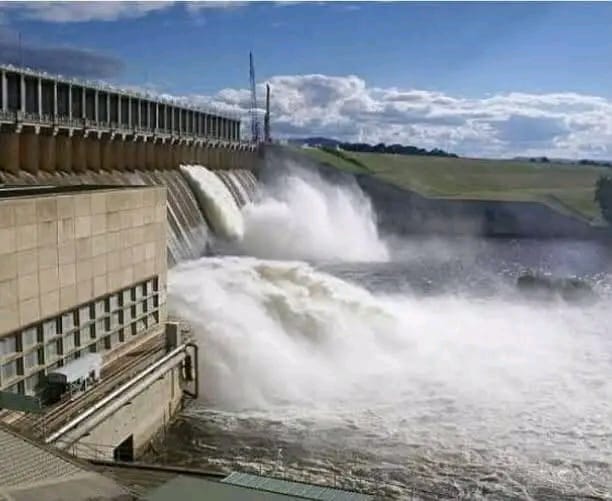
Ouagadougou – Aug. 28 – 24HourNews – The National Electricity Company of Burkina Faso (SONABEL), managers of the Bagre Dam, have announced the commencement of water spillage from the dam today, Friday, August 28, 2026, at 9:00 a.m.
In a notice issued on Wednesday, August 27, SONABEL said the decision follows heavy rainfall recorded in recent days which has pushed the reservoir’s water level to a critical threshold, making the evacuation of excess water necessary.
“SONABEL informs communities living along the Bagre hydroelectric dam that, following the heavy rainfall recorded in recent days, the water level in the reservoir has reached a critical threshold, making it necessary to evacuate the excess water. Consequently, SONABEL will open the flood-release gates of the dam on Friday, 28 August 2026, from 9:00 a.m.,” the statement said.
The development comes after an initial spillage scheduled for August 11, 2026, was postponed. The Water Resources Commission (WRC) had earlier indicated that the dam’s level stood at 232.93 metres on August 4, representing 62.77 percent full, and 233.08 metres on August 11, representing 75.40 percent full, below the trigger level of 234.00 metres to 234.50 metres.
SONABEL has urged communities downstream to exercise utmost caution and take all necessary measures in view of the risk of flooding.
In Ghana, the National Disaster Management Organisation (NADMO) has already cautioned farmers, fishermen, herdsmen, canoe operators and residents living along the White Volta River and its tributaries to relocate to safer and higher grounds.
According to NADMO, the spilled water is expected to take between 48 and 78 hours to reach Ghana and could cause the White Volta to overflow, flooding farmlands, homes and low-lying areas, particularly in the Upper East, North East, Northern and Oti Regions.
Residents in flood-prone communities, including Pwalugu in the Talensi District and 68 communities in Tolon, Kumbungu, Savelugu and Karaga, have been placed on high alert. Farmers have been advised to harvest matured crops, secure canoes, fishing equipment, livestock and valuables, and avoid farming, fishing, grazing and crossing flooded waterways.
NADMO said it is working with Regional Coordinating Councils, District Assemblies, health authorities and traditional leaders to sensitise residents and minimise casualties.
The WRC says it is monitoring the situation and will provide updates to stakeholders and the general public.