 24Hour News Online Truth, Timely and Trusted
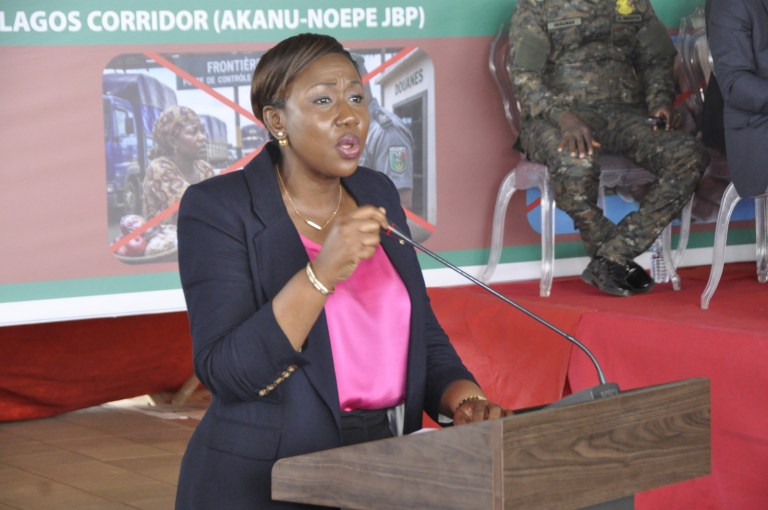
Akanu-Noepe, Aug. 14, 24HourNews – The Economic Community of West African States (ECOWAS) has reaffirmed its commitment to eliminating bottlenecks and ensuring seamless movement of persons, goods and services along the Abidjan-Lagos corridor.
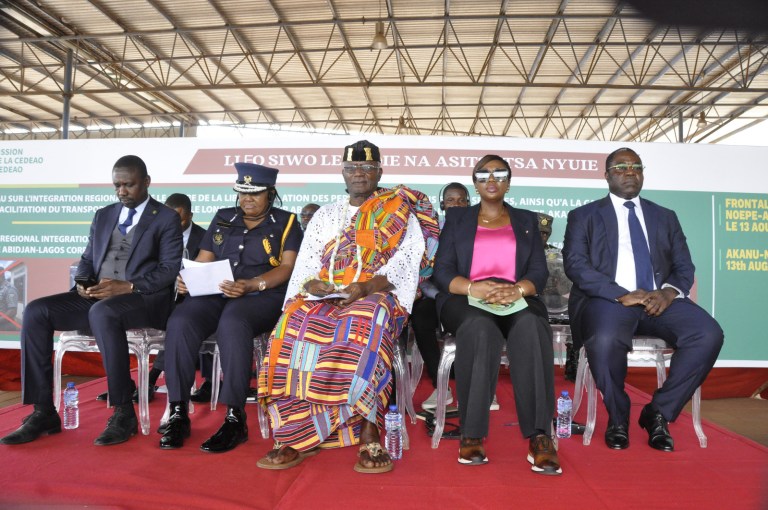
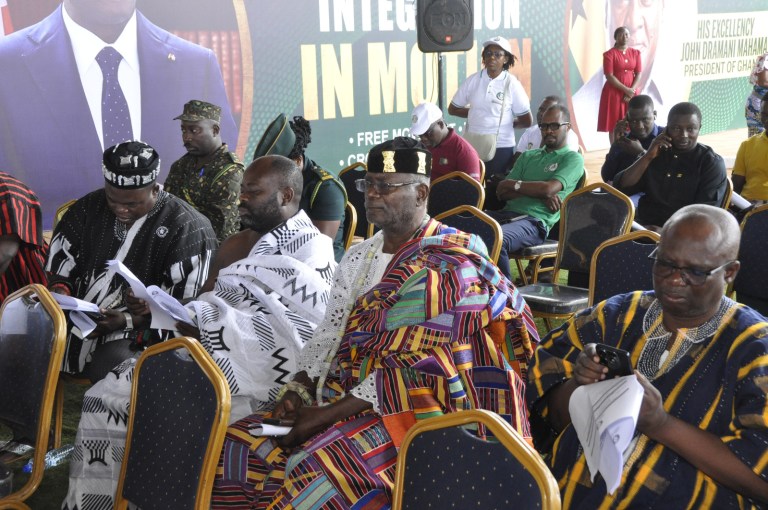
A high-level regional dialogue held at the Akanu-Noepe Joint Border Post brought together stakeholders from Cote d’Ivoire, Ghana, Togo, Benin and Nigeria to address challenges to free movement and cross-border trade.
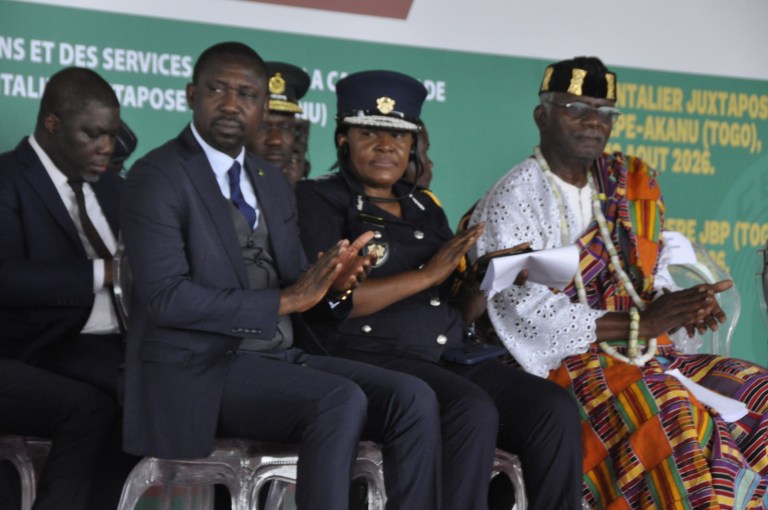
The engagement focused on harmonizing border procedures, digitalizing trade processes, operationalizing joint border posts, and strengthening the protection of women traders and other vulnerable groups.
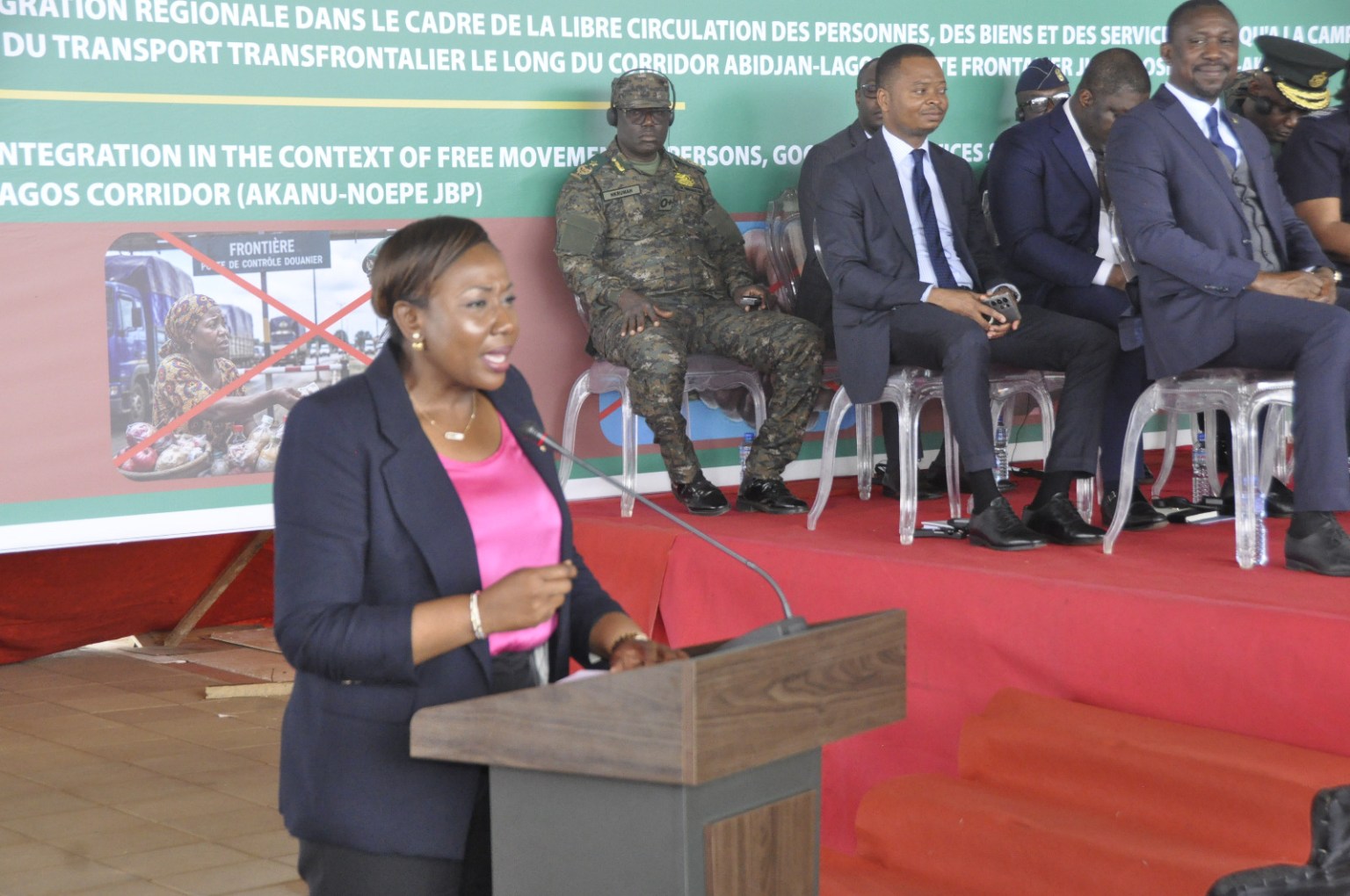
Her Excellency Damtien L. Tchintchibidja, Vice President of the ECOWAS Commission, said the corridor was a strategic artery linking five ECOWAS Member States and facilitating the movement of millions of people.
“This meeting comes at a crucial moment in our journey towards regional integration. The Abidjan-Lagos corridor embodies ECOWAS’ vision of a borderless, prosperous and integrated West Africa. Today we reaffirm our collective commitment to the full implementation of the ECOWAS Protocol on free movement of persons and trade facilitation,” she stated.
She noted that the challenge was no longer the adoption of community instruments but ensuring their effective implementation for the benefit of traders, transporters and travelers.
Participants identified complex procedures, multiple checkpoints, documentation difficulties, informal payments and poor inter-agency coordination as key obstacles slowing movement along the corridor.
To address these, the dialogue proposed harmonizing procedures, reducing redundant checks, strengthening complaint mechanisms, and scaling up digital tools such as the ECOWAS Interconnected Transit Management System (SIGMAT), the ECOWAS National Biometric Identity Card (ENBIC), and the Regional Transport Observatory.
Officials also emphasized the role of joint border posts at Noépé-Akanu, Hillacondji-Sanvee Condji and Sèmè-Kraké as critical points for measuring the effectiveness of regional integration policies.
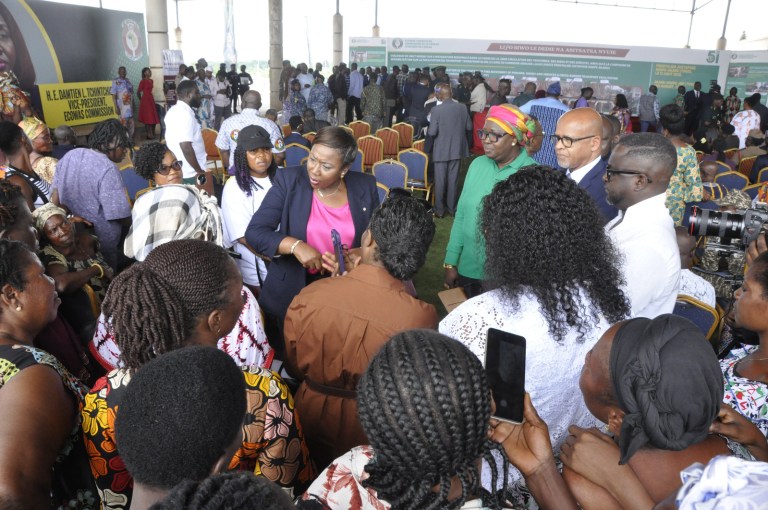
Special attention was given to women and young entrepreneurs who dominate cross-border trade in agricultural products, livestock, fish, manufactured goods and crafts. Participants called for sustained sensitization to improve their knowledge of community protocols and for the creation of a multi-stakeholder platform to support them.
The meeting also discussed plans for the proposed Abidjan-Lagos supranational highway, described as a future borderless economic corridor that will boost trade, cut travel time and strengthen regional value chains.
Participants described the dialogue as timely and called for concrete actions to translate ECOWAS protocols into tangible benefits at the borders.
The engagement forms part of ECOWAS’ broader efforts to promote regional integration, free movement and trade facilitation across West Africa.